


Macular Degeneration
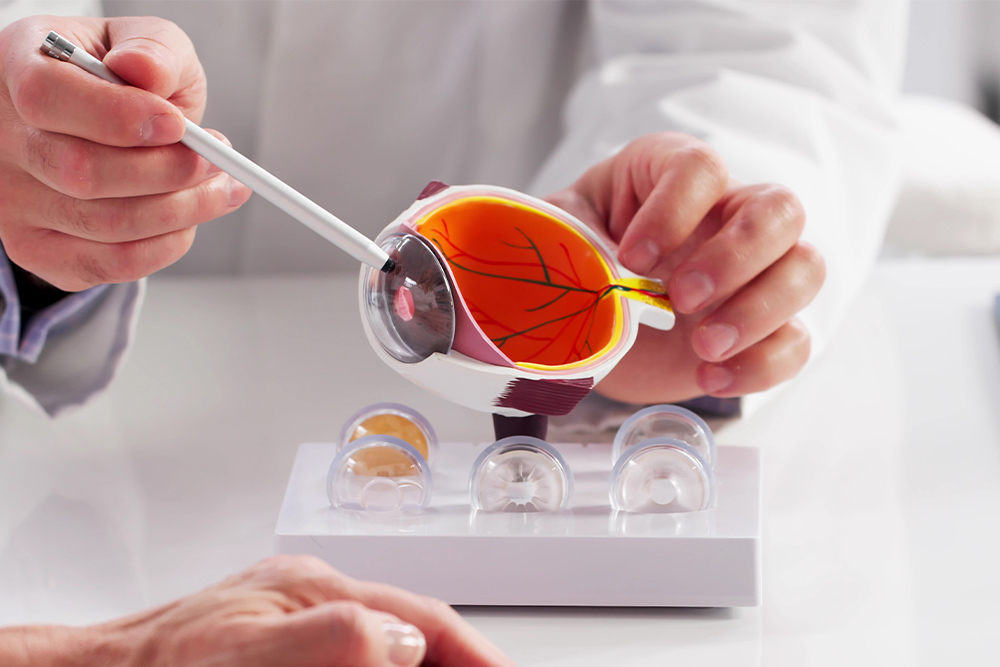
Macular Degeneration (AMD) Eye Exams & Management in Everett, WA
Age-related macular degeneration (AMD) is one of the leading causes of vision loss in adults over the age of 50. While there is currently no cure, early detection and ongoing monitoring can help preserve your vision and reduce the risk of severe vision loss.
At Silver Lake Eye Care Center in Everett, WA, Dr. Darran Kim, Dr. Katy Tan, and our experienced eye care team provide comprehensive eye exams and advanced retinal imaging to detect macular degeneration in its earliest stages, monitor progression, and develop personalized treatment plans.
Because macular degeneration often develops gradually, routine comprehensive eye exams are essential—even if your vision seems normal.
What Is Macular Degeneration?
Macular degeneration, also called age-related macular degeneration (AMD), is a progressive retinal disease that affects the macula—the central portion of the retina responsible for sharp, detailed vision.
The macula allows you to read, drive, recognize faces, and see fine details. As AMD progresses, central vision may become blurred or distorted, making everyday tasks more difficult.
What Are the Symptoms of Macular Degeneration?
Early AMD may not cause noticeable symptoms. As the condition progresses, symptoms may include:
Blurred or fuzzy central vision
Difficulty reading or recognizing faces
Straight lines appearing bent or wavy
Dark or empty areas in the center of your vision
Colors appearing less vibrant
Increased difficulty seeing in dim lighting
If you notice sudden distortion or rapid changes in your central vision, seek immediate eye care, as this may indicate wet macular degeneration, which requires prompt treatment.
Who Is at Risk for Macular Degeneration?
Your risk of developing AMD increases if you:
Are over age 50
Have a family history of macular degeneration
Smoke or have a history of smoking
Have high blood pressure or cardiovascular disease
Have significant lifetime exposure to sunlight without adequate eye protection
Eat a diet low in leafy green vegetables and antioxidants
How Is Macular Degeneration Diagnosed?
At Silver Lake Eye Care Center, we use advanced technology to detect macular degeneration before significant vision loss occurs.
Optical Coherence Tomography (OCT) – Provides detailed cross-sectional images of the retina to detect drusen, fluid, and other retinal changes associated with macular degeneration.
Detailed Retinal Imaging – Captures high-resolution photographs of the retina to document the health of the macula and monitor for changes over time.
Electroretinography (ERG) – Measures retinal function and may help detect subtle functional changes that are not yet visible on imaging.
Amsler Grid Testing – Evaluates central vision and helps identify distortion or missing areas that may indicate progression of macular degeneration.
Macula Evaluation – A detailed examination of the macula helps assess retinal health and identify changes associated with AMD.
Together, these tests allow us to detect macular degeneration early, monitor even subtle changes over time, and determine whether your condition is stable or progressing.
What Is the Difference Between Dry and Wet Macular Degeneration?
Dry Macular Degeneration
Dry AMD is the most common form, accounting for approximately 80–90% of cases. It develops gradually as tiny yellow deposits called drusen accumulate beneath the retina and the macula slowly becomes thinner over time.
Although dry AMD typically progresses slowly, regular monitoring is important because it can worsen or convert to wet AMD.
Wet Macular Degeneration
Wet AMD is less common but more serious. It occurs when abnormal blood vessels grow beneath the retina and leak blood or fluid, leading to rapid central vision loss.
Wet AMD is considered an urgent condition. Early diagnosis and prompt treatment offer the best chance of preserving vision.
How Is Macular Degeneration Treated?
Treatment for macular degeneration depends on the type and severity of the disease.
Dry age-related macular degeneration (Dry AMD) is the most common form and currently has no cure. Management focuses on slowing progression through regular monitoring, healthy lifestyle changes, smoking cessation, nutritional counseling, and AREDS2 vitamin supplementation for appropriate patients.
Wet age-related macular degeneration (Wet AMD) requires prompt treatment to reduce the risk of permanent vision loss. Treatment typically involves anti-VEGF injections performed by a retina specialist to reduce abnormal blood vessel growth and leakage beneath the retina.
At Silver Lake Eye Care Center, we closely monitor your retinal health using advanced diagnostic technology, recommend treatment based on your individual needs, and coordinate your care with trusted retina specialists whenever advanced treatment is needed.
Frequently Asked Questions
1. Can macular degeneration be cured?
No. There is currently no cure for age-related macular degeneration. However, early detection, regular monitoring, and appropriate treatment can help slow disease progression and preserve vision.
2. What are the early signs of macular degeneration?
Early macular degeneration often has no noticeable symptoms. As the disease progresses, symptoms may include blurred central vision, difficulty reading, straight lines appearing wavy, dark or empty spots in the center of vision, and difficulty recognizing faces.
3. Is macular degeneration hereditary?
Yes. Having a parent or sibling with age-related macular degeneration increases your risk of developing the condition. Genetics play an important role, but lifestyle factors such as smoking, diet, and overall health also influence your risk.
4. How often should I have my eyes checked for macular degeneration?
The recommended frequency depends on your age, eye health, family history, and individual risk factors. At Silver Lake Eye Care Center, our experienced doctors will evaluate your risk and recommend a personalized monitoring schedule to help detect changes as early as possible.
Schedule Your Eye Exam


Contact Us
Let’s keep in touch!

Office Hours
- Monday 8:00am - 5:00pm
- Tuesday 8:00am - 5:00pm
- Wednesday 8:00am - 5:00pm
- Thursday 9:00am - 5:00pm
- Friday 8:00am - 1:00pm
- Saturday Closed
- Sunday Closed
CLOSED for Lunch or Team Training & Education
12:00pm - 1:00pm M - W, and 1:00pm - 2:00pm Thurs
© 2026 Silver Lake Eye Care Center | All rights Reserved | Accessibility Statement | Privacy Policy | Sitemap
Powered by:
